What is Representation?
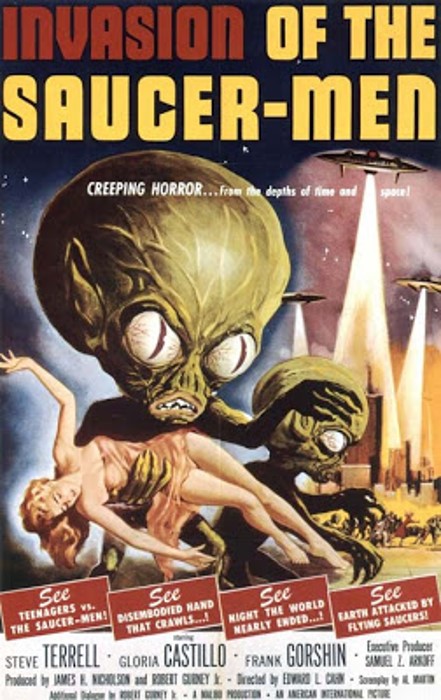
Representation: when individuals become representations of their demographic, e.g gender, race , religion , sexuality, nationality, etc.
Representation refers to the ways in on which characters, situations images and sounds in a films stand for, depicts: aspect of the real world.
- Representation is when someone or something is portrayed re-presented in a certain way.
- Representation is never neutral but is always biased.
- Someone is being represented for a particular reason.
This links to ideology: the rules or doctrines which govern the way we behave (norms and values). This belief system is then embedded in our culture through various agents (institutions like schools, politics or the mass media).
- There are different ideologies which exist at the same time, but one is dominant. The dominant ideology is the set of beliefs that is held by the majority of the population. However, the alternative Ideology – as the name suggests, alternative ideology is a different viewpoint, or the alternative to the dominant ideology.
Gender:

Gender is a cultural construct. Sex and gender are terms which are used interchangeably but there is an important difference. Sex refers to biological differences between males and females.
Sex is given to you from your DNA but your gender the we act is learned through culture. these gendered expectations and behaviours change over time and will be different depending on your culture. These assumptions are not natural or neutral but are constructs. fiction made up disseminated by men.
Objectification of Women:
Objectification– treating a person more like an object rather than a human being.
The Male Gaze

‘Men have the the power to control the gaze while the woman is the object of the look, meaning she is the object’ – Laura Mulvey 1975
In 1975, Laura Mulvey published a paper titled ‘Visual Pleasure and Narrative Cinema’: arguing that, in classical cinema, men have the power to look (to control the gaze) while the woman is the object of the look (she is objectified).
She detailed how women were seen as either objects, usually of sexual gratification, or that the women were seen as obstacles or setting obstacles for the protagonist, who was usually male.
The male is active while female is passive , this affects the form of narrative too. when the women are looked as erotic objects the story is slowed down and women become static. a conversely the male is active and this moves the story forward.
The Male Gaze outlined three ‘looks’ within a text. These are:
- The (usually male) protagonist’s perception of females within the text.
2. The (usually male) audience’s perception of females within the text.
3. The (usually male) audience’s perception of the (usually male) protagonist. This combines the first two looks, and allows the audience to somewhat relate to the protagonist, and therefore see females in the same way.
- Crucially for Mulvey, the audience is encouraged to identify with the hero. But because the hero is male, we are forced to adopt a male subjectivity.
- The audience see the diegetic world through his eyes and his perspective is privileged over the woman’s.
- The male hero looks at the female and, because we adopt his perspective, we too look at her – we see the female character through the hero’s eyes. This is the ‘Male Gaze’ model – the male spectator simultaneously identifies with the male hero and looks to the female for erotic pleasure.
Transexualisation Theory-

Mulvey stated that because female characters were so insignificant in these films, female viewers also had to identify with the male protagonist and enjoy the spectacle of the female body through his eyes. The female spectator is transexualised.
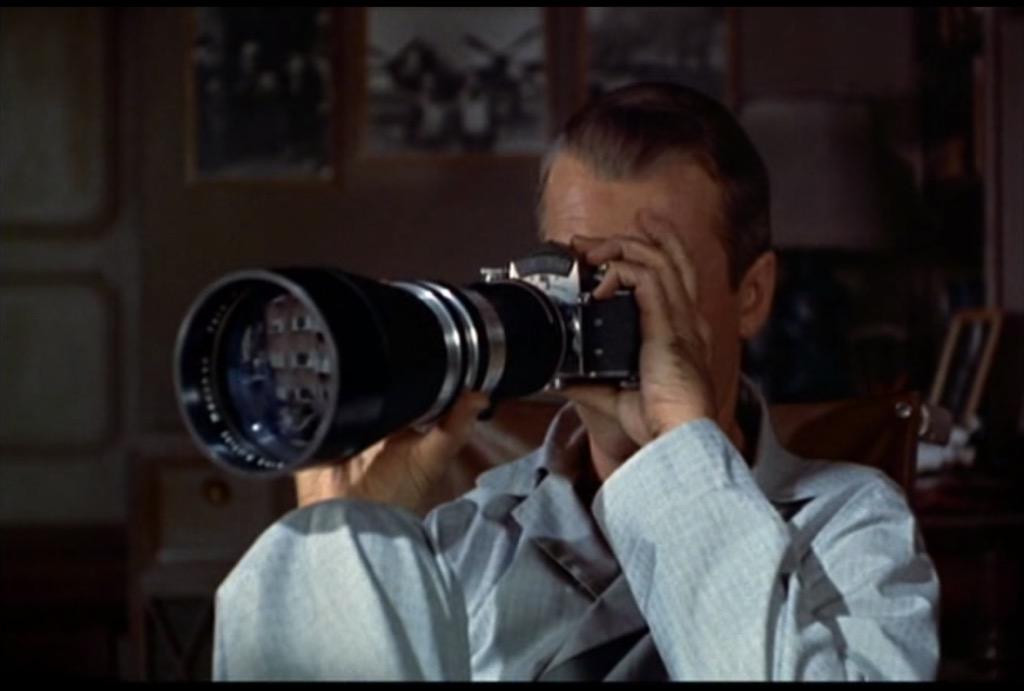
As this suggests, a big part of the pleasure of cinema comes from a form of spying on others (on the screen) without being seen. Cinema is voyeuristic, a term which is associated with looking to gain sexual pleasure. This can also be linked to scopophilia, which similar to being a voyeur, is taking pleasure is watching others (who are usually naked). It’s more about controlling another by looking at them, therefore, objectifying them.

 Akira's Media Blog