IDEOLOGY- rules or doctrines which govern the way we behave (norms and values). this is a set of commonly held beliefs and ideals within a given culture. Whilst these ideologies change from various cultures and shift over time, there is usually a media representative/star that embodies these ideologies. The star can embody these behaviours, aesthetics and ideologies. In return, this also influences the audience how to they should behave, how to dress and how to think. For example, through magazines, music videos, films, television shows will all communicate the common ideologies of the culture.
Dominant Ideology– Ideology that is believed by the majority of the population.
Alternative Ideology- different viewpoint- alternative to the dominant ideology.
Capitalism- economic system in which people are driven to produce goods and services for a profit.
Marxism- this is the belief that leads to the oppression of workers. The rich get richer but by exploiting the hard labour of the poor.
KARL MARX:
 Karl Marx and Friedrich Engels (German immigrants living in Britain) developed Marxism in the early to mid-19th century. For Marxists, Capitalism (through ideology and force) leads to oppression and exploitation of proletariat (majority/working classes- anyone who sells their labour for money) by the bourgeoisie (wealthy ruling class who own the means of production/minority.
Commodities (objects we buy and sell) always represent the exploitation of the workers who produced who have produced the, because the price at which they are sold is always higher than production costs- the difference between the amount it costs to produce something and the price at which it’s sold is the producers profit. According to Marxists terms, this profit is a direct measurement of the degree to which workers labour has been expired.
Marxism calls for proletarian revolution- workers across the world should unite against their employers- the ruling classes, who oppressed them.
Coercive State Apparatus – physically forcing you to accept the status quo- not allowed to be resistant.
Ideological State Apparatus- sending out messages that make you think the current status quo is acceptable- no need to resist.
The media hold lies, deception and misinformation to the working classes to keep them in a state of false consciousness.
False consciousness- preventing them from seeing their true situation and oppression. It is this idea that stops the proletariat from rising up and seizing power from the bourgeoisie.
Antonio Gramsci

Antonio Gramsci was an Italian political theorist who is renowned for his concept of cultural hegemony. His theory stated that the culture industries, including the media can be used as a means of social control to ensure the ruling classes maintain their power. This theory claims that through media, the ideas of the ruling class are seen as the norm; they are universal beliefs that benefit everyone, whilst only really benefiting the ruling class.
Theodor Adorno

Adorno was an advocate of the argument that popular media keeps the population passive. It ensures that capitalism continues at the expense of true happiness. Adorno believed that cultural products offer simple and direct pleasures and we crave these unchallenging products because they seem to validate our lives (which are all bland and standardised). We feel alienated by dull, repetitive and undemanding tasks but this is relieved by dull, repetitive and undemanding media texts/practices, like pop music and dancing.
These theories also link to The Hypodermic Syringe Theory, 2 Step Flow Model and the Cultural Effects model.
Louis Althusser
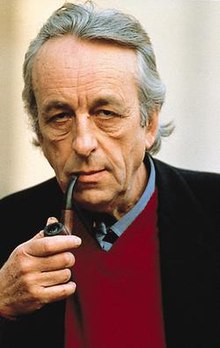
Althusser’s idea of ‘interpellation’ (1970) suggests that the ruling class send out messages in media that support their authority and unequal power relations. When watching these texts, the viewer becomes absorbed into their world view and beliefs (‘interpellation’). The viewer accepts their position in society and they also accept their status – being dominated by the ideas of the ruling class.
As such, our identities and position in society is partly created by the dominant messages we see in media.
For example, in a world in which power is skewed in favour of men (patriarchy), men are the ruling class. Men then send out messages in media that make women think male dominance is normal and natural. In turn, men oppress women who accept it as they think they have a lower status.

 Akira's Media Blog