Macro– Genre, narrative and representation.
Micro– Semiotics, iconography, mise en scene, sound, camera, editing etc.
Macro elements – Genre
Genre refers to the category in which the media text can be put into. This might be multiple genres or no genre.
Questions to ask:
- What genre or genres does this text fit into?
- How do I know this text fits into that genre?
- What does this connote to this audience?
- Is this pushing any boundaries of genre?
Case study : Donnie Darko
- What genre is Donnie Darko?
Horror/ Thriller/ Adventure
- What tells you that Donnie Drako is that genre?
The visuals from the trailer and the colouring of the scenes. Furthermore it shows that there are mysteries to uncover, and that Drako is the one to solve them.
- Who is the audience of Donnie Darko?
Young adults/ adults.
- What does those connote to the audience?
There are going to be disturbing/ difficult to watch scenes. From the trailer, it showed very quick, sped up scenes, which adds to the thrill.
- Are there any conclusions that we can make?
Macro elements- Narrative
Narrative refers to the way in which the media text tells a story (or part of a story). This might be explicit or implied.
Questions to ask:
- What is the narrative (or narratives) of the text?
- Are there any narratives that are missing?
- What does this connote to the audience?
- Is this pushing any boundaries of narrative?
Case study: Gregory Crewson
- What is the narrative of this photo?
there is an empty looking street with just one car on the road and a door to car is open. The traffic lights are amber and it seems to be early is the morning.
- What tells you that this is the narrative?
- What does this connote to the audience?
- Is this pushing any boundaries of narrative?
- are there any conclusions that we can make?
Macro elements- Representation
- All info is presented and then re-presented by the media. How ‘truthful’ is this?
- All things act as a representation of other similar things. How are they representing these things?
Questions to ask:
Case study- Robin Thicke- Blurred Lines.
- What is the information being represented in this text?
- How is the info being represented +/-?
- What does this connote to the audience?
- Is this pushing the boundaries of representation?
- How might audiences act (react) after seeing this representation?
Micro elements: Semiotics – related to the field of linguistics.
- 3 types of sign:
- Icon- a sign that physically represents what this stands for.
- Index: a sign which implies some other object or event- an implied sign.
- Symbol- A sign with a conventional or arbitrary relation to the signified- a learned sign.
Questions to ask?
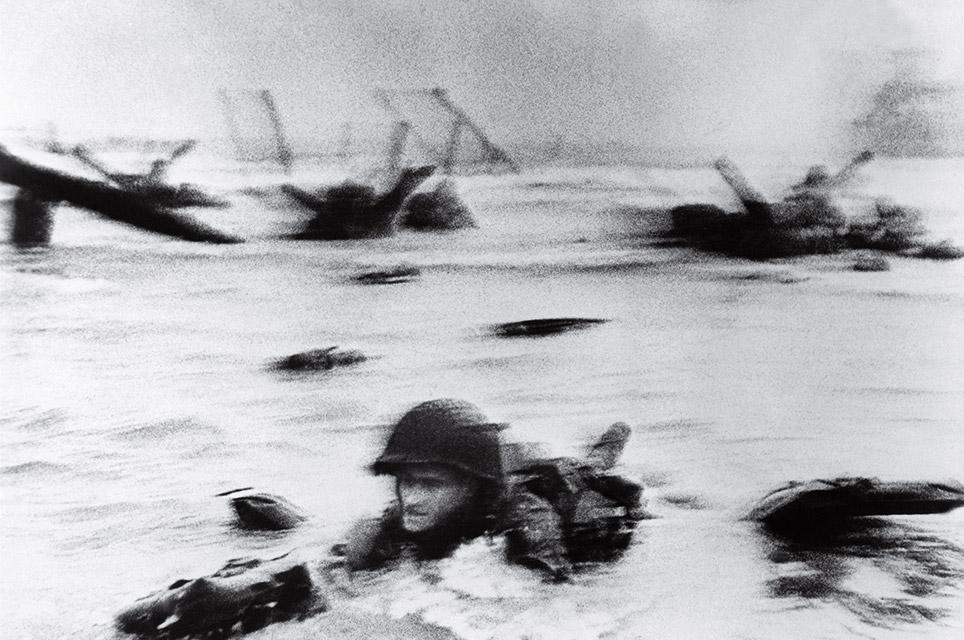
- What visual signs are represented in the photo?
- How could viewers interpret such signs?
- How did the image fit into history?
- How was this photo symbolic at the time of it’s capture?
Iconography; particular range or system of types of image used by an artist or artists to convey particular meanings. For example,in Christian religious paintings there is iconography of images such as the lamb which represents Christ or the dove which rfepresents the holy spirit.
Mise en scene
Questions to ask:
- How do the various elements within the scene build up the overall ‘messages’ of the image?
- What do various elements denote and connote to the audience?
- How do these factors contribute to the overall narrative?
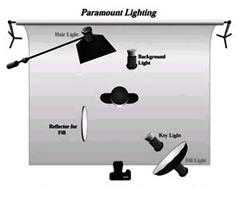
Lighting/editing/ camera angles
- How is this image well lit? Does it alter the way we may perceive messages?
- Why has the image been editing:? How is this changing how we interpret the visuals?
- How do camera angles provide us with a means to analyses?








 Akira's Media Blog