SEMIOTICS:
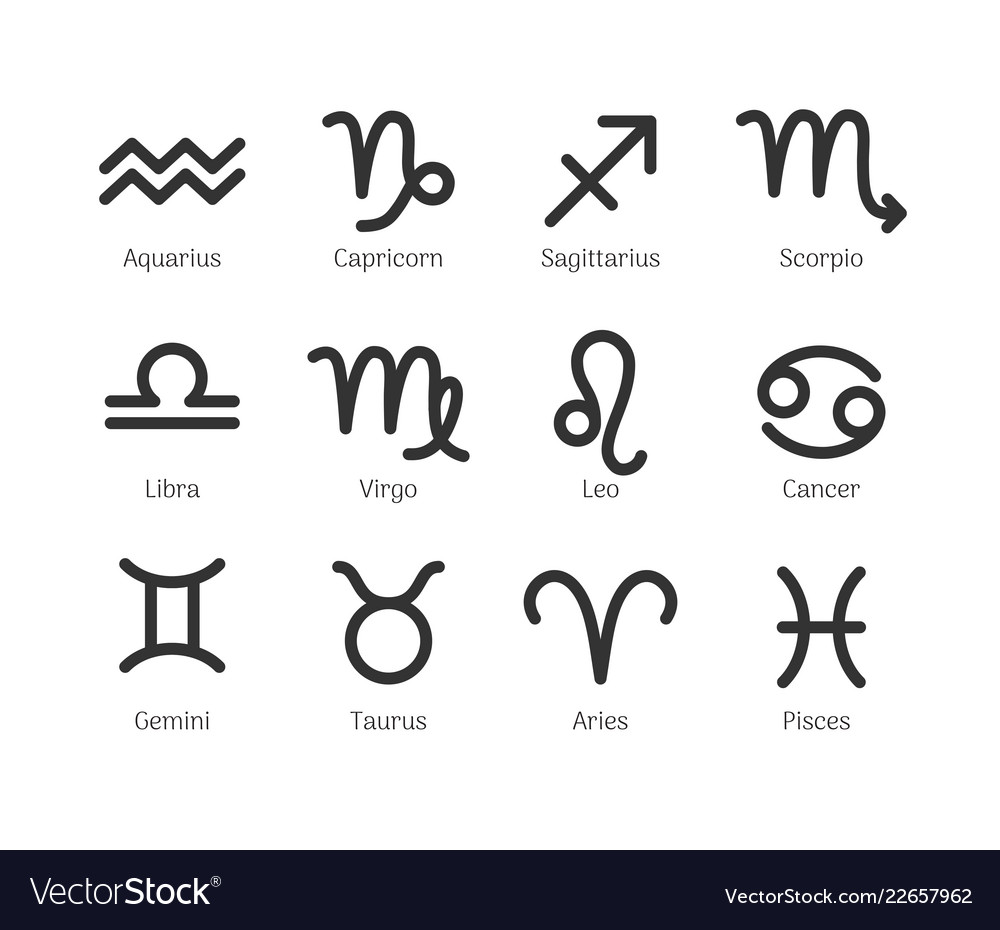
Semiotics is the study of signs. Importantly, because we all of cultural experiences and we all perceive the world differently, any sign or communication text (like a film) can have many different meanings, depending on who is looking at it, this is known as polysemy.
Because everything is culturally charged with meaning, everything becomes a sign and every sign connotes something to the audience.
Ferninand De Saussure- The Sign– A sign is something which represents something to someone. Saussure said that there are two parts to each sign:
- Signifier – the label we put on a sign – the name or the sound
– Signified – the mental association that we have when we hear or see the sign
Roland Barthes:
Denotation: The basic, literal meaning of what is in the picture or scene (what it actually is)
Connotation: What we associate the image with in our minds (indirect and associative meaning). These are the different interpretations suggested by the text, often associated with additional meaning, values or ideology
Anchorage: The way that text (or parts of text) anchor particular meanings to images. In this way the creator of a communication text can steer the reader to the meaning that they prefer them to have.
Stuart Hall- Encoding and Decoding:
For the audience theories based on audience passivity, the text is closed – the meaning cannot change. However, for Stuart Hall, the text is open to a range of different meanings – there is not just one way to read a text, but a multiple (polysemic) ways.
For Hall, the three ways to read a text are preferred (what he termed hegemonic), negotiated and oppositional readings:
Preferred or Dominant Reading:
The creator of a text (communication) may want it to be received in a certain way and so will construct it to ensure this happens – this could also be known as the dominant/hegemonic reading. You agree with the messages within the text.
Negotiated Reading:
An interpretation of the text in which, while identifying the dominant reading, you also seek to modulate this – you agree with some of the messages/messages.
Oppositional Reading:
Any reading which rejects or significantly challenges the dominant meaning. Under this model the reader is the key factor in the communication process and the production of meaning. Therefore, meaning is no longer singular and clearly demarcated or defined by authorial intention – meaning is not created by a God-like author.
Instead, meanings can change – meanings are plural and created through the relationship between the individual reader and the text.
- Say that stars reflect current trends
- Say that unsuccessful stars do not reflect current trends
- Talk about the role of institutions in creating stars
- Talk about how stars reflect current ideologies – and give examples
THE STAR THEORY:

Star Theory: this can refer to how a person has been created by a media institution in order to attract certain audiences and generate money.
This theory was coined by Richard Dyer, and implies that the star being exhibited is not a true representation of that individual, but instead a persona that has been created. This constructed persona is responding to current trends and ideologies. The construction of a star is based upon current trends with the idea that audiences can relate to this. Successful stars will follow the trend and change the aesthetics and behaviours in relation to these trends.
These people then become seen as not only representative of a trend, but also an authority that influences the masses. Therefore, unsuccessful stars will be ones that are either unable to react necessarily to the trends or who are completely mis-constructed from the beginning.
Institutions:


Media Institutions: These are companies/groups who construct the celebrity/star and sell them to the audiences. Their intention is to create the celebrity (star) and sell them to the audiences. They want to create a star that they feel can represent specific audiences in a way that will encourage that audience to relate to them and buy into the star persona. By investing into the star persona, audiences will feel a desire to follow this star, therefore giving money in exchange for the products (films, music, etc.) as well as buying into the culture- and that most likely means buying into fashions and even behaviours.
Ideology: this is a set of commonly held beliefs and ideals within a given culture. Whilst these ideologies change from various cultures and shift over time, there is usually a media representative/star that embodies these ideologies. The star can embody these behaviours, aesthetics and ideologies. In return, this also influences the audience how to they should behave, how to dress and how to think. For example, through magazines, music videos, films, television shows will all communicate the common ideologies of the culture.



 Akira's Media Blog